Ahead of Budget 2026, India’s EV (electric vehicle) industry is pushing for duty rationalisation, infrastructure support, and stronger incentives to accelerate the country’s electric mobility transition.
Finance Minister Nirmala Sitharaman will present the Union Budget 2026-27 on February 1, 2026, in the Parliament at 11 AM, marking it the ninth consecutive budget presentation.
As electric vehicle adoption continues to rise in the country across segments, automakers and stakeholders consider the upcoming budget crucial in shaping the next phase of the green mobility journey. The EV sector seeks cost reduction for infrastructure expansion in the upcoming budget.
Here is what the EV industry wants from Budget 2026:
1. Rationalisation of duties on electric vehicles and their components – one of the important demands of the electric vehicle and auto industry is to rationalise duties on EVs and critical components such as battery cells, power electronics, and battery packs. Duty relief could help in lowering the EV price for consumers.
EV industry players are also seeking the government to strengthen the EV policies to promote local manufacturing to make India self-reliant and reduce imports while building a robust EV supply chain.
2. Continuity on EV incentives for EV adoption – The industry is also seeking clear visibility on future EV incentive frameworks. With existing schemes such as FAME and PM E-DRIVE nearing their end, automakers are concerned that any policy gap could impact demand.
The EV industry is looking forward to having clear visibility of the future EV incentive framework, such as FAME and PM E-Drive, as the stakeholders believe that a policy gap could impact the demand in the market.
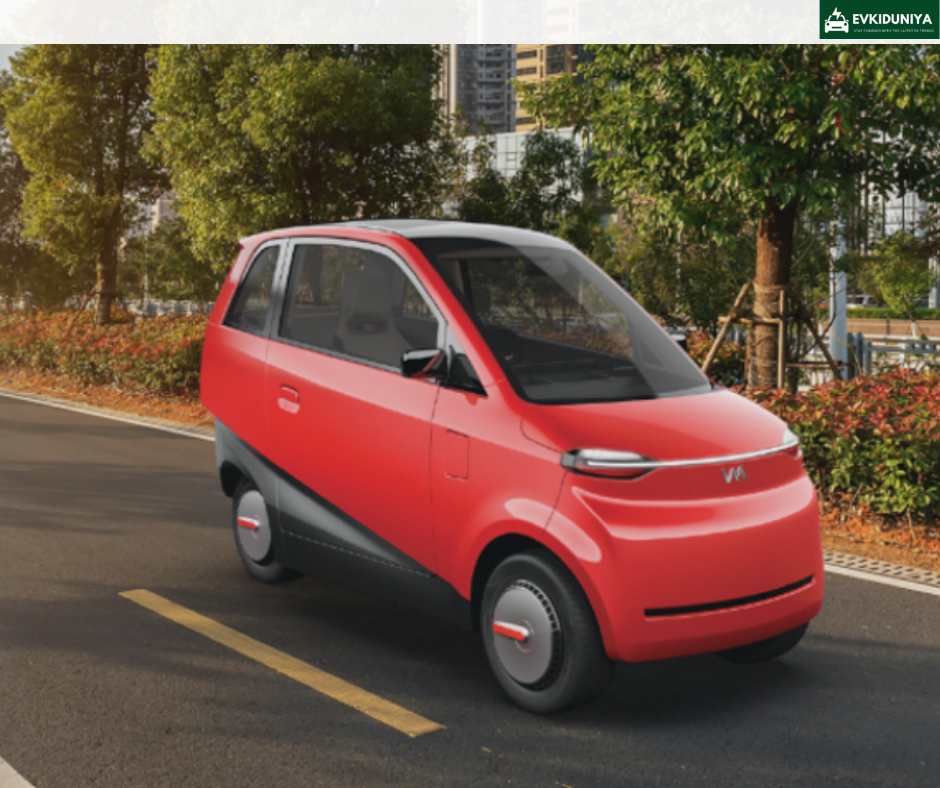
Automakers believe the continued consumer-focused incentives specially designed for 2Ws, 3Ws, and E-cars are essential to ensure proper EV adoption.
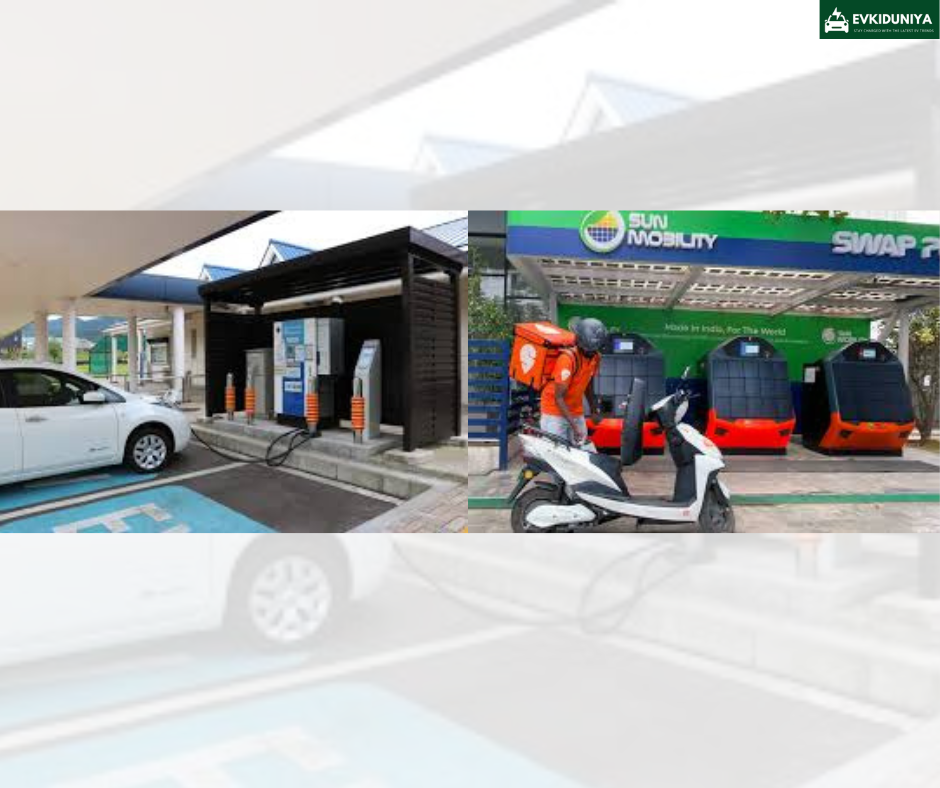
3. EV Infra Development Support – While EV adoption is increasing in the nation, the charging infrastructure hasn’t developed completely to fulfill the needs of the country’s EV users. The leaders of the industry are expecting robust budgetary support for expanding public and private EV charging networks in Tier 2 and Tier 3 cities, as it’s vital to make EV ownership more convenient.
In a nutshell, the EV industry is optimistic about getting duty relief and targeted incentives to accelerate India’s e-mobility goals.

An EV enthusiast with over 2 years of experience in the EV industry and 4 years of expertise in sustainable living, dedicated to writing insightful content about electric vehicles at evkiduniya.com